
Finding the right grotesque antonym depends on what you mean by grotesque. The word usually describes something extremely ugly, distorted, bizarre, disturbing, or unpleasant. Its opposites include beautiful, attractive, elegant, graceful, normal, natural, pleasant, and harmonious.
However, each word expresses a different kind of contrast. Understanding these differences helps you choose the most accurate antonym for conversations, academic writing, creative descriptions, and professional communication.
Quick Answer: What Is the Antonym of Grotesque?
The most common antonyms of grotesque are:
- Beautiful – pleasing to the senses or mind.
- Attractive – appealing or pleasant to look at.
- Elegant – graceful, refined, and tasteful.
- Graceful – smooth, balanced, and pleasing in movement or appearance.
- Normal – ordinary rather than strange or abnormal.
- Natural – not artificial, distorted, or unnatural.
- Harmonious – balanced and pleasing in its parts.
- Pleasant – enjoyable or agreeable rather than disturbing.
Best overall choice: Use beautiful when grotesque describes an ugly appearance, normal when it describes something strange or abnormal, and pleasant when it describes something disturbing or unpleasant.
What Does Grotesque Mean?
Grotesque is an adjective describing something extremely strange, ugly, distorted, exaggerated, or unpleasant in a way that may cause shock, discomfort, or disgust.
The word can describe physical appearances, artistic styles, behavior, situations, humor, and fictional characters.
For example:
- The artist created a grotesque sculpture with distorted features.
- The abandoned building had a grotesque appearance.
- His grotesque behavior shocked everyone at the event.
- The movie included grotesque scenes that some viewers found disturbing.
The meaning changes slightly according to context. A grotesque face may be physically distorted, while a grotesque action may be morally shocking or deeply unpleasant.
Why Learning Antonyms of Grotesque Matters
Antonyms help writers communicate contrast and express ideas more precisely. Instead of repeating words such as not ugly or not strange, you can choose a direct opposite that communicates the intended meaning.
For example:
- Instead of saying, “The sculpture was not grotesque,” say, “The sculpture was elegant.”
- Instead of saying, “The behavior was not grotesque,” say, “The behavior was respectable.”
- Instead of saying, “The design was not strange,” say, “The design was conventional.”
The right antonym makes writing clearer, more natural, and more expressive.
Best Grotesque Antonyms With Meanings
The following words are useful opposites of grotesque. Some contrast with its physical meaning, while others oppose its emotional, behavioral, or unusual qualities.
| Antonym | Meaning | Best context |
|---|---|---|
| Beautiful | Pleasing to look at | Appearance and art |
| Attractive | Appealing or inviting | People and objects |
| Lovely | Delightful or charming | Everyday descriptions |
| Elegant | Refined and tasteful | Design and appearance |
| Graceful | Smooth and balanced | Movement and form |
| Gorgeous | Extremely beautiful | Strong positive descriptions |
| Handsome | Good-looking or well-proportioned | People and objects |
| Pretty | Pleasant in appearance | Informal descriptions |
| Exquisite | Exceptionally beautiful or delicate | Art and craftsmanship |
| Symmetrical | Balanced on both sides | Shape and design |
| Harmonious | Well-balanced and pleasing | Art, sound, and design |
| Refined | Polished and sophisticated | Style and behavior |
| Delicate | Fine, subtle, or fragile | Features and objects |
| Normal | Ordinary or expected | Unusual appearances or events |
| Ordinary | Common and familiar | Everyday situations |
| Conventional | Following accepted standards | Design and behavior |
| Natural | Existing or developing normally | Appearance and form |
| Regular | Following an expected pattern | Shapes and structures |
| Pleasant | Enjoyable or agreeable | Experiences and impressions |
| Appealing | Attractive or interesting | Ideas and appearance |
| Charming | Pleasant and attractive | People and places |
| Tasteful | Showing good judgment and style | Decoration and design |
| Wholesome | Healthy, decent, or morally good | Content and behavior |
| Respectable | Considered proper or acceptable | Conduct and character |
| Dignified | Showing self-respect and seriousness | Behavior and appearance |
| Reassuring | Making someone feel less worried | Situations and experiences |
Understanding the Main Semantic Categories
Not every antonym of grotesque works in every sentence. A useful way to choose the right word is to identify which feature of grotesque you want to reverse.
1. Beauty and Physical Appearance
When grotesque means extremely ugly or unpleasant to look at, choose an antonym associated with beauty.
Beautiful
- Definition: Pleasing to the senses, especially through appearance.
- Tone: Strongly positive and expressive.
- Formality: Neutral.
- Best contexts: Art, people, scenery, architecture, and objects.
- Common collocations: Beautiful face, beautiful design, beautiful landscape, beautiful sculpture.
- Example: The grotesque statue was replaced with a beautiful marble sculpture.
Attractive
- Definition: Having qualities that create interest or admiration.
- Tone: Positive but less intense than beautiful.
- Formality: Neutral.
- Best contexts: People, products, buildings, and visual design.
- Common collocations: Attractive appearance, attractive design, attractive features.
- Example: The building’s grotesque exterior was transformed into an attractive modern design.
Lovely
- Definition: Pleasant, charming, or beautiful.
- Tone: Warm and friendly.
- Formality: Informal to neutral.
- Best contexts: Everyday conversation, places, objects, and experiences.
- Common collocations: Lovely garden, lovely view, lovely appearance.
- Example: The once-grotesque courtyard became a lovely garden.
Exquisite
- Definition: Extremely beautiful, delicate, or carefully made.
- Tone: Sophisticated and admiring.
- Formality: Formal to neutral.
- Best contexts: Jewelry, artwork, clothing, and craftsmanship.
- Common collocations: Exquisite detail, exquisite design, exquisite beauty.
- Example: The grotesque decoration was replaced by exquisite artwork.
2. Elegance and Refinement
When grotesque describes something excessively exaggerated, crude, or lacking taste, words related to refinement are often more accurate.
Elegant
- Definition: Graceful, stylish, and refined.
- Tone: Sophisticated and positive.
- Formality: Neutral to formal.
- Best contexts: Fashion, architecture, writing, and design.
- Common collocations: Elegant dress, elegant solution, elegant interior.
- Example: The designer replaced the grotesque decorations with an elegant arrangement.
Graceful
- Definition: Moving or appearing in a smooth, balanced, and attractive way.
- Tone: Gentle and positive.
- Formality: Neutral.
- Best contexts: Movement, posture, shapes, and artistic descriptions.
- Common collocations: Graceful movement, graceful figure, graceful design.
- Example: The dancer’s graceful movements contrasted with the grotesque figures in the performance.
Refined
- Definition: Showing good taste, sophistication, and careful improvement.
- Tone: Respectful and polished.
- Formality: Neutral to formal.
- Best contexts: Manners, style, language, and design.
- Common collocations: Refined taste, refined style, refined manners.
- Example: Her refined taste produced a calm and balanced interior.
Tasteful
- Definition: Showing good judgment about what is attractive or appropriate.
- Tone: Positive and restrained.
- Formality: Neutral.
- Best contexts: Decoration, fashion, communication, and presentation.
- Common collocations: Tasteful decoration, tasteful design, tasteful arrangement.
- Example: The tasteful decorations created a welcoming atmosphere.
3. Normality and Familiarity
Sometimes grotesque does not simply mean ugly. It means bizarre, abnormal, or far outside what people expect. In these situations, beauty-related antonyms may not fit.
Normal
- Definition: Conforming to what is usual, expected, or typical.
- Tone: Neutral.
- Formality: Neutral.
- Best contexts: Behavior, appearance, situations, and patterns.
- Common collocations: Normal behavior, normal appearance, normal conditions.
- Example: The strange fictional creature looked grotesque, while the ordinary animals looked normal.
Ordinary
- Definition: Common, familiar, or not unusual.
- Tone: Neutral.
- Formality: Neutral.
- Best contexts: Daily life, objects, events, and experiences.
- Common collocations: Ordinary person, ordinary day, ordinary appearance.
- Example: What seemed grotesque at first turned out to be an ordinary medical model.
Conventional
- Definition: Following established customs, standards, or practices.
- Tone: Neutral, sometimes mildly approving or critical.
- Formality: Formal to neutral.
- Best contexts: Design, art, behavior, and social expectations.
- Common collocations: Conventional design, conventional approach, conventional style.
- Example: The artist chose a conventional portrait instead of a grotesque illustration.
4. Balance and Natural Form
When grotesque describes distortion, exaggeration, or a lack of proportion, words such as harmonious, symmetrical, and natural may express the opposite more accurately.
Harmonious
- Definition: Having parts that work together in a pleasing and balanced way.
- Tone: Positive and calming.
- Formality: Neutral to formal.
- Best contexts: Art, music, architecture, and relationships.
- Common collocations: Harmonious colors, harmonious design, harmonious composition.
- Example: The new design replaced the grotesque structure with a harmonious arrangement.
Symmetrical
- Definition: Having corresponding parts that are balanced or similar in shape and size.
- Tone: Technical and descriptive.
- Formality: Neutral to formal.
- Best contexts: Architecture, geometry, faces, and visual art.
- Common collocations: Symmetrical pattern, symmetrical design, symmetrical shape.
- Example: The sculptor created a symmetrical figure rather than a grotesquely distorted one.
Natural
- Definition: Existing or developing in a normal way, without artificial distortion.
- Tone: Neutral to positive.
- Formality: Neutral.
- Best contexts: Appearance, movement, materials, and behavior.
- Common collocations: Natural appearance, natural shape, natural movement.
- Example: The artist preferred natural human proportions over grotesque exaggeration.
5. Pleasantness and Emotional Response
When grotesque describes something disturbing, offensive, or unpleasant, choose words that express comfort or positive feelings.
Pleasant
- Definition: Giving enjoyment, comfort, or satisfaction.
- Tone: Mildly positive.
- Formality: Neutral.
- Best contexts: Experiences, surroundings, conversations, and impressions.
- Common collocations: Pleasant experience, pleasant atmosphere, pleasant appearance.
- Example: The unpleasant scene was replaced by a pleasant and peaceful setting.
Charming
- Definition: Pleasant or attractive in a way that creates affection or admiration.
- Tone: Warm and positive.
- Formality: Neutral.
- Best contexts: People, places, homes, and personal qualities.
- Common collocations: Charming village, charming personality, charming appearance.
- Example: The grotesque old building was renovated into a charming café.
Wholesome
- Definition: Healthy, decent, or morally positive.
- Tone: Reassuring and positive.
- Formality: Neutral.
- Best contexts: Entertainment, behavior, relationships, and messages.
- Common collocations: Wholesome content, wholesome activity, wholesome environment.
- Example: The film replaced grotesque humor with wholesome comedy.
Grotesque vs. Related Words
Understanding closely related words makes it easier to select the most suitable antonym.
| Word | Meaning | How it differs from grotesque |
|---|---|---|
| Ugly | Unpleasant in appearance | Focuses mainly on appearance |
| Bizarre | Extremely strange or unusual | Focuses on unusual qualities |
| Horrifying | Causing intense fear | Focuses on fear |
| Repulsive | Causing disgust | Focuses on strong dislike |
| Distorted | Changed from a normal shape or form | Focuses on altered structure |
| Hideous | Extremely unpleasant to look at | Strongly emphasizes ugliness |
| Absurd | Unreasonable or ridiculous | Focuses on logic or judgment |
For example, beautiful is a natural opposite of ugly, but normal may be a better contrast for bizarre. Similarly, pleasant can contrast with repulsive when discussing an experience.
Grotesque vs. Beautiful
Grotesque describes something extremely strange, distorted, or unpleasant, while beautiful describes something that gives pleasure through its appearance or qualities.
- Grotesque: The artist painted a grotesque face with exaggerated features.
- Beautiful: The artist painted a beautiful portrait with balanced proportions.
Use beautiful when the main contrast concerns appearance, artistic quality, or visual appeal.
Grotesque vs. Normal
Grotesque can describe something abnormal, exaggerated, or bizarre. Normal refers to what is usual or expected.
- Grotesque: The creature had a grotesque body shape.
- Normal: The animal had a normal body shape.
Use normal when you want to emphasize typicality rather than attractiveness.
Grotesque vs. Elegant
Grotesque may describe an exaggerated or disturbing appearance. Elegant describes something tasteful, graceful, and refined.
- Grotesque: The room had grotesque decorations.
- Elegant: The room had elegant decorations.
Use elegant when discussing design, clothing, architecture, or artistic style.
Grotesque vs. Pleasant
Grotesque can describe something disturbing or unpleasant. Pleasant describes something enjoyable or agreeable.
- Grotesque: The scene created a grotesque impression.
- Pleasant: The scene created a pleasant impression.
Use pleasant when the main contrast involves someone’s emotional response or experience.
Choosing the Right Grotesque Antonym: A Context Selection Matrix
Use this quick guide to select the best word according to the meaning you want to express.
| If grotesque describes… | Best antonym choices |
|---|---|
| An ugly face | Beautiful, attractive, lovely |
| A strange object | Normal, ordinary, familiar |
| A distorted shape | Natural, symmetrical, balanced |
| An unpleasant experience | Pleasant, enjoyable, agreeable |
| An exaggerated design | Elegant, tasteful, refined |
| Disturbing entertainment | Wholesome, reassuring |
| Poor artistic balance | Harmonious, graceful |
| Crude behavior | Respectable, dignified |
Expert tip: Do not automatically replace grotesque with beautiful. First identify whether the original sentence refers to appearance, abnormality, distortion, taste, or emotional impact.
Grotesque Antonyms in Different Writing Contexts
Everyday Conversation
In casual speech, simple words are usually the most natural choices.
Examples:
- The strange decoration looks attractive now.
- The unusual figure has a normal appearance.
- The unpleasant place has become lovely.
Useful words: beautiful, pretty, lovely, normal, pleasant.
Academic Writing
Academic writing benefits from precise and descriptive vocabulary.
Examples:
- The distorted figure was replaced by a symmetrical representation.
- The grotesque artistic style contrasts with a harmonious composition.
- The unusual structure was redesigned using conventional proportions.
Useful words: symmetrical, harmonious, conventional, natural, proportionate.
Professional and Business Communication
Professional writing often requires restrained and specific language.
Examples:
- The previous design was replaced with a refined visual identity.
- The updated presentation uses an elegant and balanced layout.
- The revised environment creates a more pleasant customer experience.
Useful words: refined, elegant, appropriate, balanced, appealing.
Creative and Literary Writing
Creative writing can use expressive vocabulary to establish atmosphere and contrast.
Examples:
- The grotesque creature disappeared into the forest, leaving behind a beautiful landscape.
- Her graceful movements transformed the dark scene into something enchanting.
- The once-disturbing room became a charming place filled with light.
Useful words: enchanting, exquisite, graceful, lovely, harmonious.
Common Collocations and Phrases
Learning common word combinations helps you use antonyms naturally.
| Word | Common collocations |
|---|---|
| Beautiful | Beautiful scenery, beautiful face, beautiful artwork |
| Attractive | Attractive appearance, attractive design, attractive offer |
| Elegant | Elegant solution, elegant dress, elegant architecture |
| Graceful | Graceful movement, graceful figure, graceful performance |
| Normal | Normal behavior, normal conditions, normal appearance |
| Natural | Natural beauty, natural shape, natural expression |
| Harmonious | Harmonious colors, harmonious design, harmonious relationship |
| Pleasant | Pleasant atmosphere, pleasant experience, pleasant conversation |
| Refined | Refined taste, refined style, refined manners |
| Symmetrical | Symmetrical pattern, symmetrical structure, symmetrical design |
Grammar Tips: How to Use Grotesque Antonyms Correctly
Most antonyms in this article are adjectives. They can appear before nouns or after linking verbs.
1. Before a noun
- The artist created a beautiful sculpture.
- They designed an elegant building.
- She chose a symmetrical pattern.
2. After a linking verb
- The sculpture looks attractive.
- The room seems pleasant.
- The design appears harmonious.
3. With comparative forms
- This design is more elegant than the previous one.
- The new structure is more balanced.
- The revised setting feels more pleasant.
4. With negative comparisons
- The design is not grotesque; it is refined and tasteful.
- The figure is unusual but not disturbing.
Remember that not every adjective has a natural comparative or superlative form. For example, more exquisite is generally more natural than exquisiter.
Common Mistakes When Choosing an Antonym
1. Treating every antonym as interchangeable
Beautiful and normal do not mean the same thing. Something can be normal without being beautiful.
2. Using elegant when you mean ordinary
Elegant suggests refinement and style. Ordinary simply means common or familiar.
3. Confusing natural with symmetrical
A natural object does not necessarily have perfect symmetry. These words describe different qualities.
4. Choosing a positive word that does not match the sentence
If grotesque describes disturbing behavior, respectable or decent may be more suitable than beautiful.
5. Overusing sophisticated vocabulary
A simple word such as pleasant may communicate your meaning better than an elaborate word such as exquisite.
How to Improve Your Vocabulary With Antonyms
You can develop a stronger vocabulary by learning words in semantic groups rather than memorizing isolated definitions.
Try this practical method:
- Identify the meaning: Decide whether grotesque refers to ugliness, abnormality, distortion, or unpleasantness.
- Choose a semantic category: Select beauty, normality, balance, refinement, or pleasantness.
- Compare similar words: Understand the differences between beautiful, attractive, lovely, and elegant.
- Study collocations: Learn combinations such as elegant design and pleasant atmosphere.
- Create original sentences: Use each new word in a realistic context.
- Review the register: Make sure your choice suits your audience and writing style.
This method builds vocabulary that is more flexible and useful in real communication.
Frequently Asked Questions
1. What is the main antonym of grotesque?
The most common antonym of grotesque is beautiful when the word describes an extremely ugly or unpleasant appearance. However, normal, natural, elegant, and pleasant may be more accurate in other contexts.
2. Is beautiful the opposite of grotesque?
Yes. Beautiful can be an opposite of grotesque when grotesque refers to something ugly, distorted, or unpleasant to look at. However, beautiful does not necessarily oppose the meaning of bizarre or abnormal.
3. What is the opposite of grotesque in appearance?
The best opposites for grotesque in appearance include beautiful, attractive, lovely, elegant, graceful, and handsome. These words describe different forms of visual appeal and refinement.
4. What is the opposite of grotesque in behavior?
When grotesque describes shocking, offensive, or unacceptable behavior, useful opposites include respectable, decent, dignified, appropriate, and wholesome. The best choice depends on the behavior being discussed.
5. Is normal an antonym of grotesque?
Yes. Normal can be an antonym when grotesque means bizarre, abnormal, or unusually distorted. It does not necessarily mean beautiful or attractive.
6. What is a formal antonym for grotesque?
Formal alternatives include elegant, refined, harmonious, symmetrical, and proportionate. For behavior, respectable and dignified may be more appropriate.
7. What is a simple antonym for grotesque?
Simple antonyms include beautiful, pretty, normal, pleasant, and attractive. These words are easy to understand and work well in everyday conversations.
8. What is the difference between grotesque and bizarre?
Grotesque often suggests something extremely ugly, distorted, or disturbing. Bizarre mainly describes something strange or unusual. Something can be bizarre without being ugly or disturbing.
9. Can natural be an antonym of grotesque?
Yes, when grotesque describes an artificial-looking or distorted form. Natural suggests an appearance or structure that is not unnaturally exaggerated. However, the two words are not opposites in every context.
10. What is the best antonym of grotesque in literature?
Beautiful, graceful, harmonious, and exquisite can contrast with grotesque in literary descriptions. The best choice depends on whether the writer wants to emphasize visual beauty, balance, elegance, or emotional appeal.
Final Thoughts
The best grotesque antonym depends on the meaning and context of the original sentence. Beautiful and attractive are excellent choices for physical appearance, while normal and ordinary contrast with unusual or abnormal qualities. For artistic style, elegant, graceful, and harmonious communicate refinement and balance. When describing experiences or behavior, pleasant, respectable, and wholesome may be more accurate.
Rather than memorizing one opposite, learn how these words differ in meaning, tone, and usage. Choosing the right antonym will make your vocabulary more precise and your writing clearer, more natural, and more engaging.
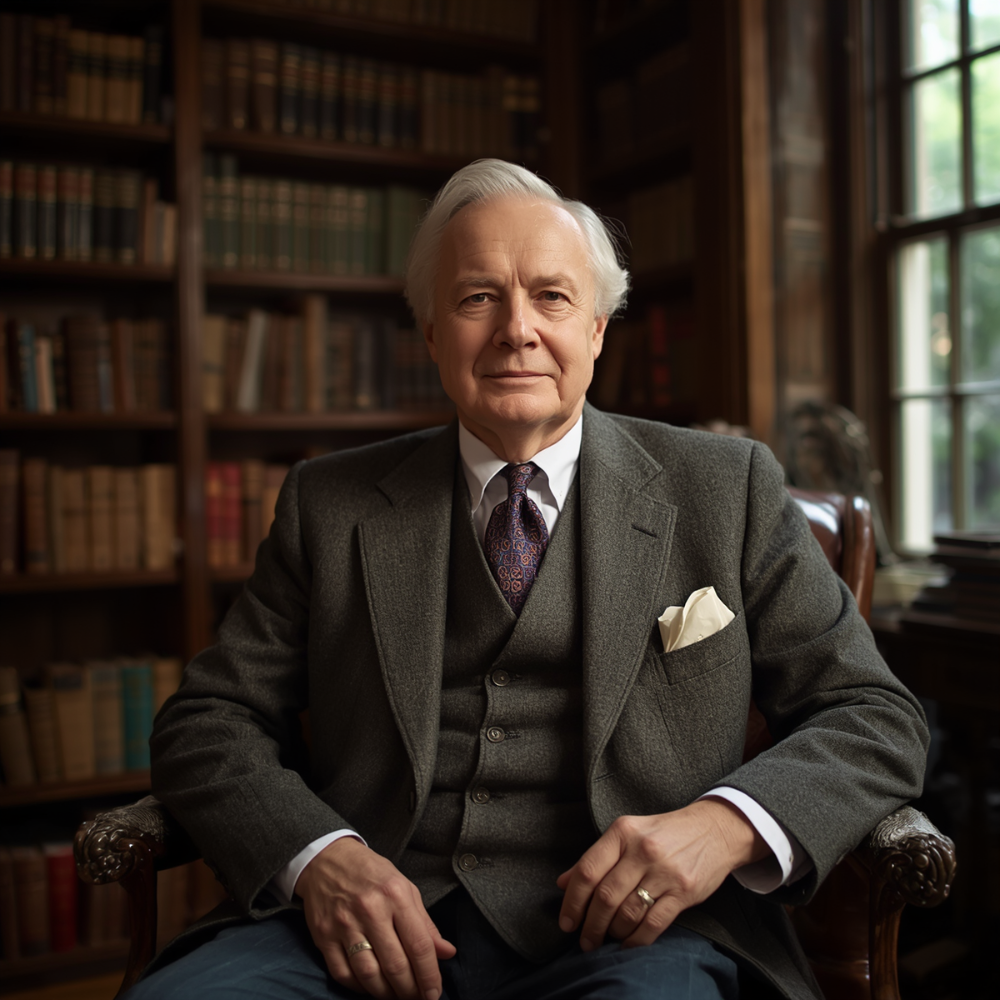
Zachary Coleman is an English language and vocabulary writer who specializes in synonyms, antonyms, word meanings, definitions, and contextual usage. He enjoys exploring how words can change meaning depending on tone and context. At Antonymly, Zachary creates clear and practical vocabulary guides that help students, writers, professionals, and English learners communicate with greater accuracy and confidence.
